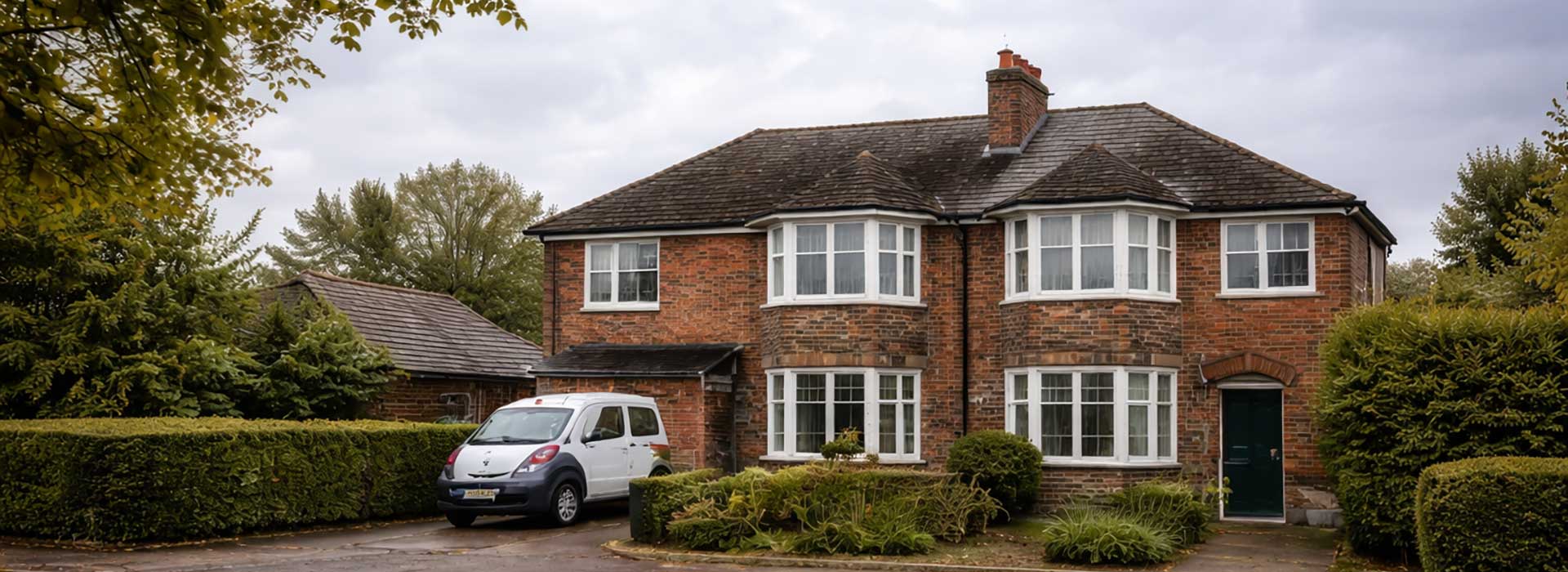
Subsidence is one of those words that tends to surface only when something has gone wrong with a property. In simple terms, it describes what happens when the ground beneath a building shifts or sinks, causing the structure above to move. That movement can be slow and barely noticeable at first, or more obvious over time, often showing up as cracks, sticking doors, or uneven floors. It is not rare in the UK, particularly in areas with certain soil types or older housing stock.
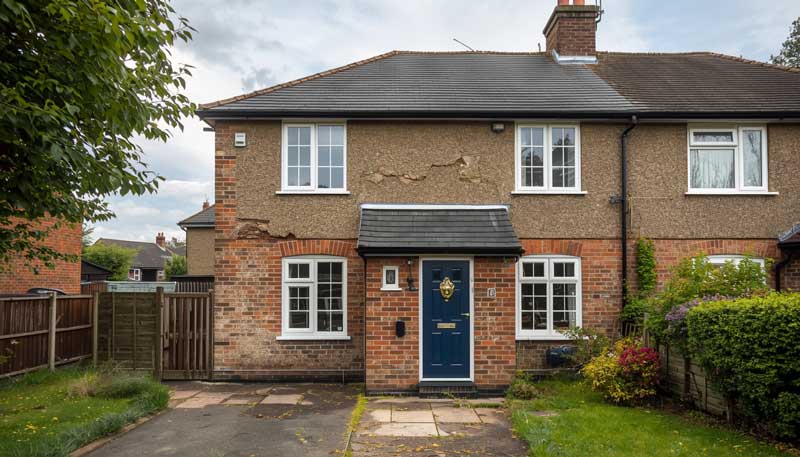
The key issue with subsidence is movement in the ground. Clay soils, which are common across large parts of England, expand when wet and shrink when dry. During long dry spells, the ground can contract enough to leave parts of a building unsupported. Tree roots can make this worse by drawing moisture out of the soil. In other cases, leaking drains, poor foundations, or nearby construction work can play a part.
It helps to separate subsidence from similar-sounding problems. Settlement, for example, usually happens in the first few years after a property is built and tends to be minor and predictable. Heave is the opposite of subsidence, where the ground rises rather than falls. Insurers treat these differently, so the distinction matters when it comes to cover.
Most people first notice subsidence through small changes around the home. Cracks in walls are the most talked about, particularly those that run diagonally and appear around doors or windows. Doors and windows may start to stick, and in some cases you might notice gaps between walls and skirting boards. Not every crack means subsidence, though. Older houses often develop minor cracks over time, and these are usually harmless.
When subsidence is confirmed, the next step is understanding what it means in practical terms. Some cases are relatively straightforward, requiring repairs to drains or the removal of problematic trees. Others may involve underpinning, where the foundations are strengthened. That can sound dramatic, but it is not always as disruptive as people expect. Still, it does tend to affect how insurers view the property.
This is where things become more complicated. Homes with a history of subsidence can still be insured, but the terms are often different. Premiums may be higher, and excesses for subsidence claims are typically much larger than standard policy excesses. Some insurers may ask for reports or impose conditions before offering cover. If you are dealing with this situation, it helps to look at options that are designed for it. There is a more detailed look at this on home insurance for houses with subsidence, which explains how cover is usually approached.
Buying or selling a property with subsidence can also bring extra steps. Surveyors will usually take a closer look, and mortgage lenders may want reassurance that the issue has been properly dealt with. It does not automatically stop a sale, but it can slow things down. Clear documentation and previous repair records often make a difference here.
From a practical point of view, prevention is limited but not impossible. Keeping drains in good condition, being aware of large trees close to the property, and watching for early signs can all help. In many cases, subsidence develops gradually, so catching it early can reduce the scale of work needed later on.
For most homeowners, subsidence is something that sits in the background until it becomes relevant. Understanding what it is, what causes it, and how it is handled by insurers makes it far less daunting if it does come up. It is a structural issue, but also a manageable one in many cases, especially when approached with the right information.