


Start with what’s actually being insured
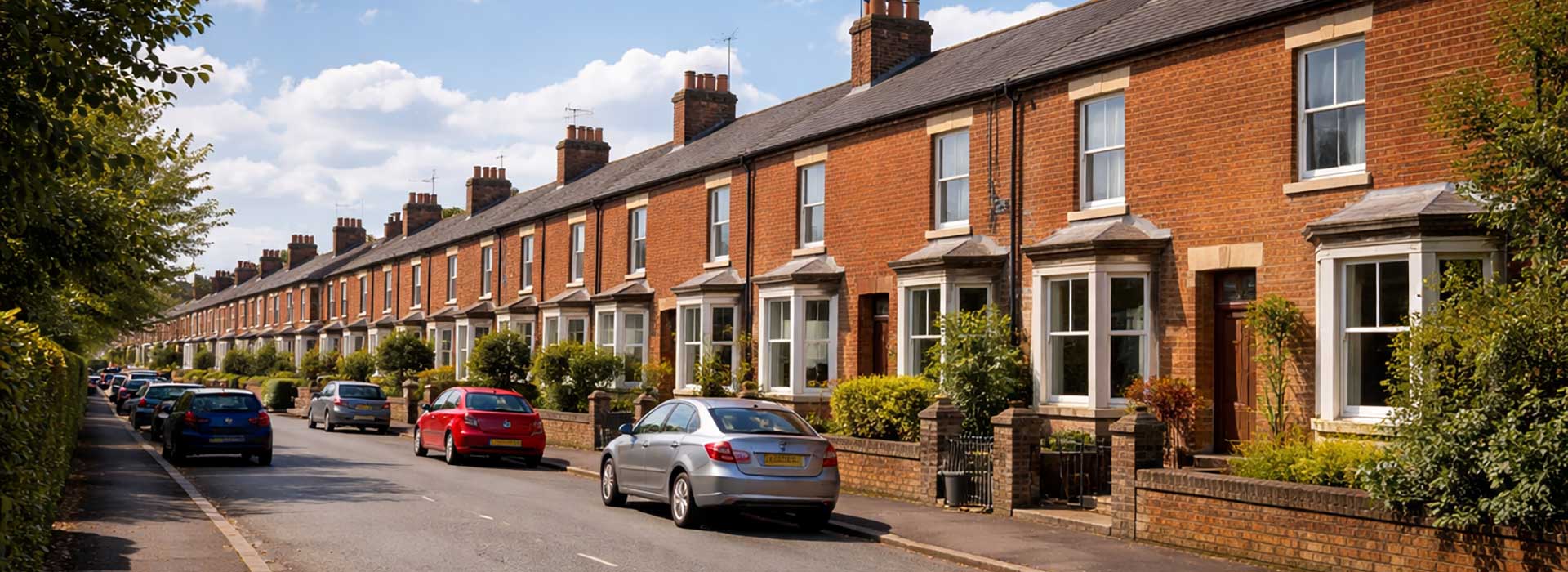
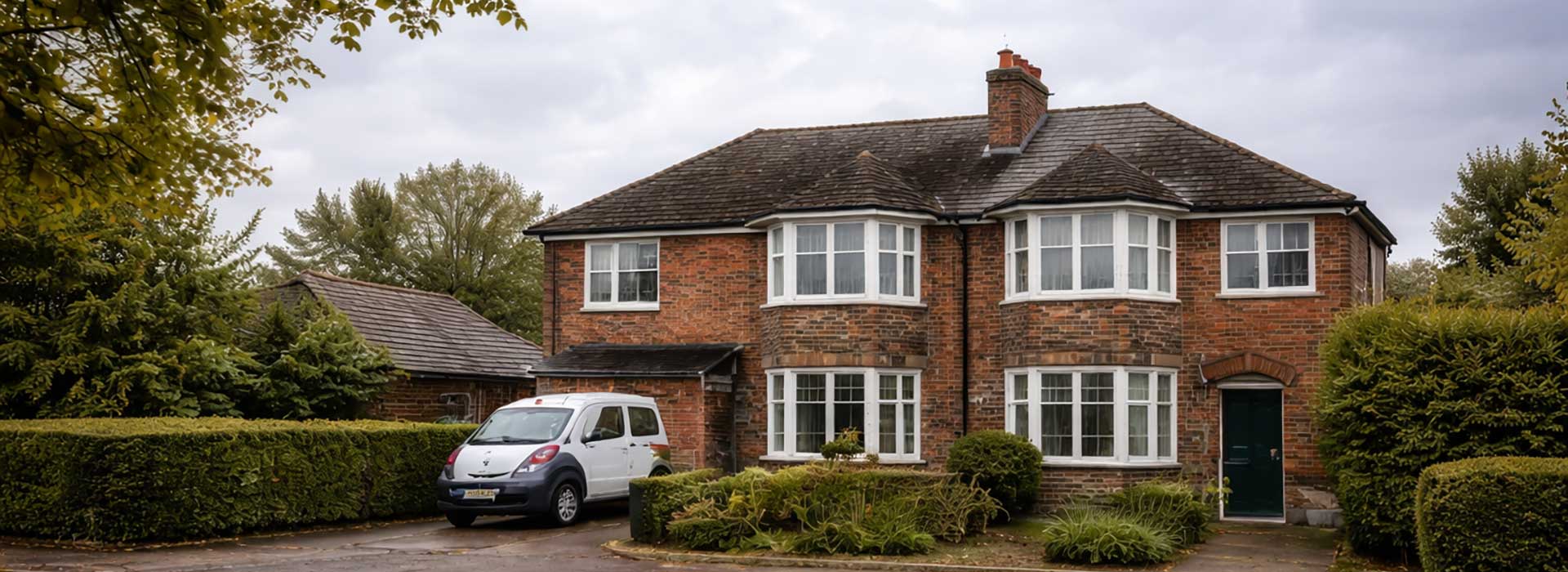
Comparing home insurance doesn’t begin with price. It starts with whether the policy matches the property. A Victorian terrace, a new-build flat, and a thatched cottage behave very differently when something goes wrong.
If the policy doesn’t fit the building, everything else is secondary.

Buildings and contents are not interchangeable
Some policies bundle buildings and contents together. Others separate them. That changes how claims are handled and how limits apply.
Make sure you’re comparing the same structure across quotes. Buildings-only against buildings-only. Combined against combined.
Rebuild cost assumptions matter
Two policies may look identical but assume very different rebuild costs. That affects premiums and claim outcomes.
A cheaper policy often assumes a lower rebuild figure. That doesn’t show up clearly on comparison screens.
Excess levels hide in plain sight
Excess is where many policies quietly diverge. Some keep premiums low by pushing excesses higher, particularly for escape of water or subsidence.
Always check compulsory and voluntary excess together.
Accidental damage is a common divider
Accidental damage is often optional. One quote may include it automatically. Another may exclude it entirely.
Comparing prices without matching this detail is a fast way to misjudge value.
Personal possessions away from home
Cover for items outside the home varies widely. Some policies include it as standard. Others treat it as an add-on with strict limits.
This matters if laptops, phones, or jewellery regularly leave the house.
Single item limits and valuables
Policies differ on how much they’ll pay for individual items before requiring them to be listed separately.
A lower premium may come with lower item limits. That only becomes obvious when something expensive goes missing.
Policy exclusions deserve more attention
Exclusions aren’t small print trivia. They shape how a policy behaves.
- Gradual damage versus sudden events
- Wear and tear exclusions
- Unoccupied property restrictions
- Limits on water damage claims
Two policies can promise the same headline cover and still exclude very different scenarios.
Claims handling reputation matters
Home insurance only proves itself during a claim. Speed, clarity, and decision-making vary between insurers.
A slightly higher premium can buy fewer arguments later.
Optional extras can distort comparisons
Legal expenses, home emergency cover, and gadget protection often appear bundled into one quote and stripped out of another.
Strip policies back to a common core before comparing price.
Introductory pricing versus renewal reality
Some policies are competitively priced in year one and noticeably different at renewal.
Comparing only the first-year premium misses part of the picture.

Online summaries rarely tell the whole story
Comparison tables simplify. Policies don’t.
Key differences often sit behind expandable sections or policy documents that aren’t immediately visible.
Matching policies beats ranking prices
The most useful comparison isn’t cheapest to most expensive. It’s closest match to least suitable.
Once the cover aligns, price becomes meaningful.
Why comparisons feel harder than they should
Home insurance policies aren’t standardised. Each insurer decides what matters most.
Comparing them well means slowing down just enough to see past the headline number.