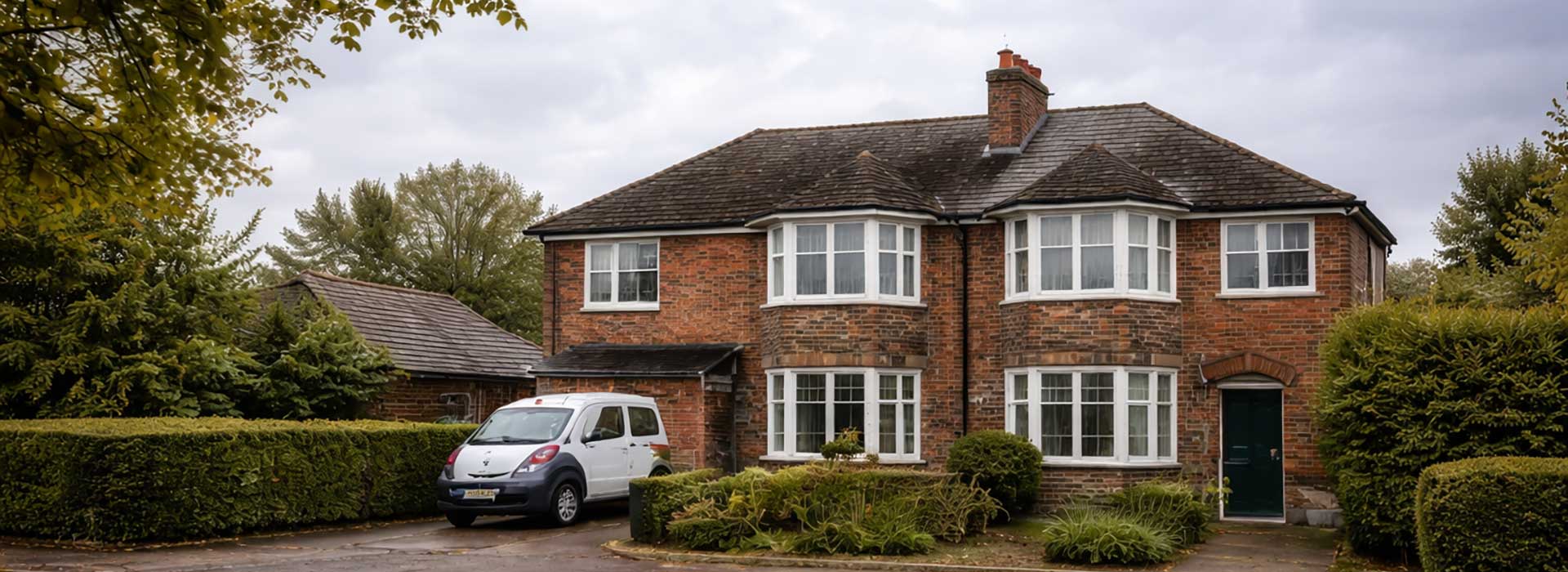
Living alone changes routines, insurers notice patterns
Living alone doesn’t alter the building itself, but it does change how the home is used. Different routines. Different occupancy patterns. Insurers pay attention to those details because they influence how losses develop, not how careful someone is.
From an insurance point of view, the question isn’t loneliness. It’s exposure.
Does living alone affect the price of insurance?
Sometimes, but not in a straightforward way. Insurers don’t apply a blanket loading just because someone lives alone.
Pricing reflects risk factors that often sit alongside single occupancy rather than the living arrangement itself.
Occupancy and time away from the home
Homes occupied by one person are more likely to be empty during work hours or travel. That can affect how quickly issues are noticed.
A burst pipe or break-in may go undetected longer when there’s no second person around to spot it.
Security considerations
Insurers often look more closely at security where a property is routinely empty for parts of the day.
Locks, alarms, lighting, and visible deterrents matter more than the number of people sleeping in the house.
Escape of water and delayed discovery
Escape of water claims are a common concern. When someone lives alone, leaks may continue for longer before they are discovered.
Insurers sometimes reflect this risk through excesses or conditions rather than outright exclusions.
Claims patterns insurers watch
Insurers analyse data over time. They notice that certain claims, particularly water damage and theft, behave differently depending on occupancy.
That doesn’t mean living alone is treated negatively. It means the risk is assessed slightly differently.
Contents insurance and personal belongings
Living alone often means fewer contents, but that isn’t always true. High-value items are just as common in single-occupancy homes.
Insurers focus on total value and item limits, not household size.
Unoccupied property rules still apply
Living alone doesn’t change how insurers define unoccupied. If a home is left empty beyond the policy limit, restrictions may apply.
Single occupants are more likely to trigger these rules unintentionally during holidays or hospital stays.
Accidental damage and everyday use
Accidental damage claims don’t usually vary much by household size. Dropping things is not a group activity.
Insurers don’t typically rate accidental damage differently for people living alone.
Emergency access and practical realities
When something goes wrong, having someone nearby matters. Insurers sometimes ask who can access the property in an emergency.
This isn’t about policy terms. It’s about limiting damage once a problem starts.
What insurers usually ask at quote stage
- Whether the property is owner-occupied
- How often the home is left empty
- What security measures are in place
- Any previous claims history
What insurers usually don’t care about
Insurers don’t assess lifestyle, social arrangements, or personal circumstances beyond how they affect risk.
Living alone is a data point, not a judgement.
Why clarity works better than assumptions
Some people assume living alone automatically increases premiums. Others assume it makes no difference at all.
The reality sits between those views. Home insurance responds to how a property is used, not how many people live there.