

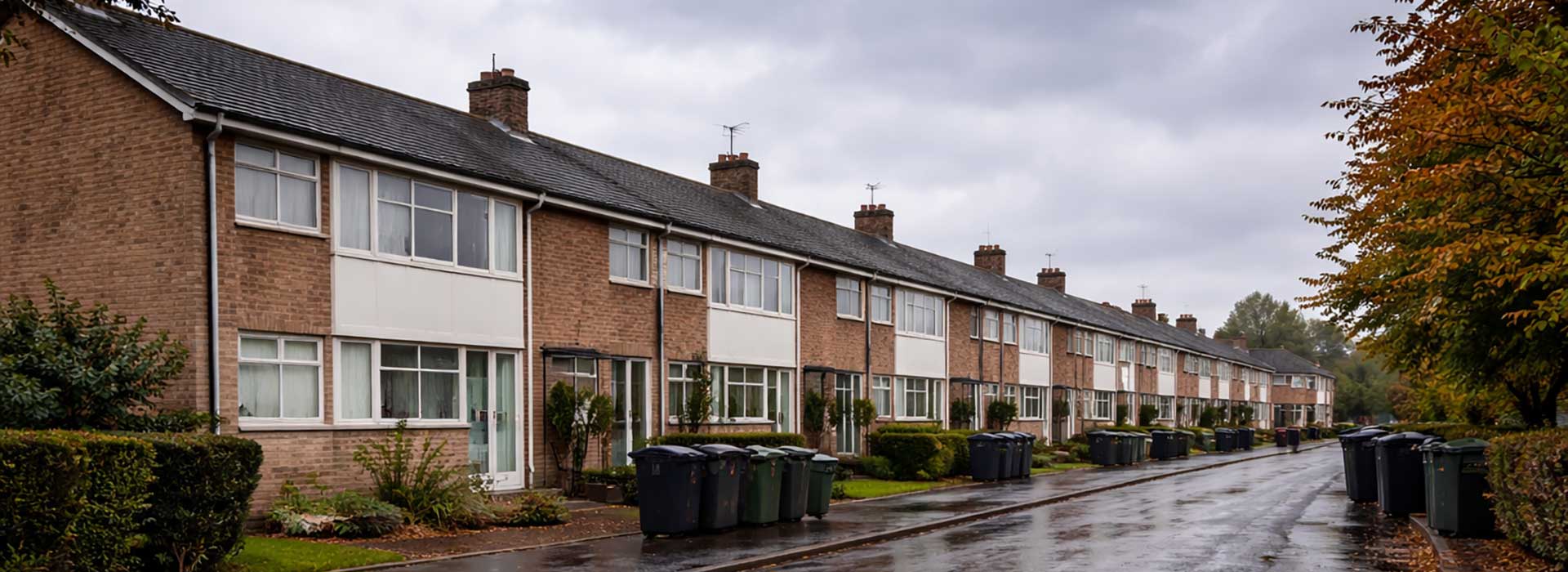
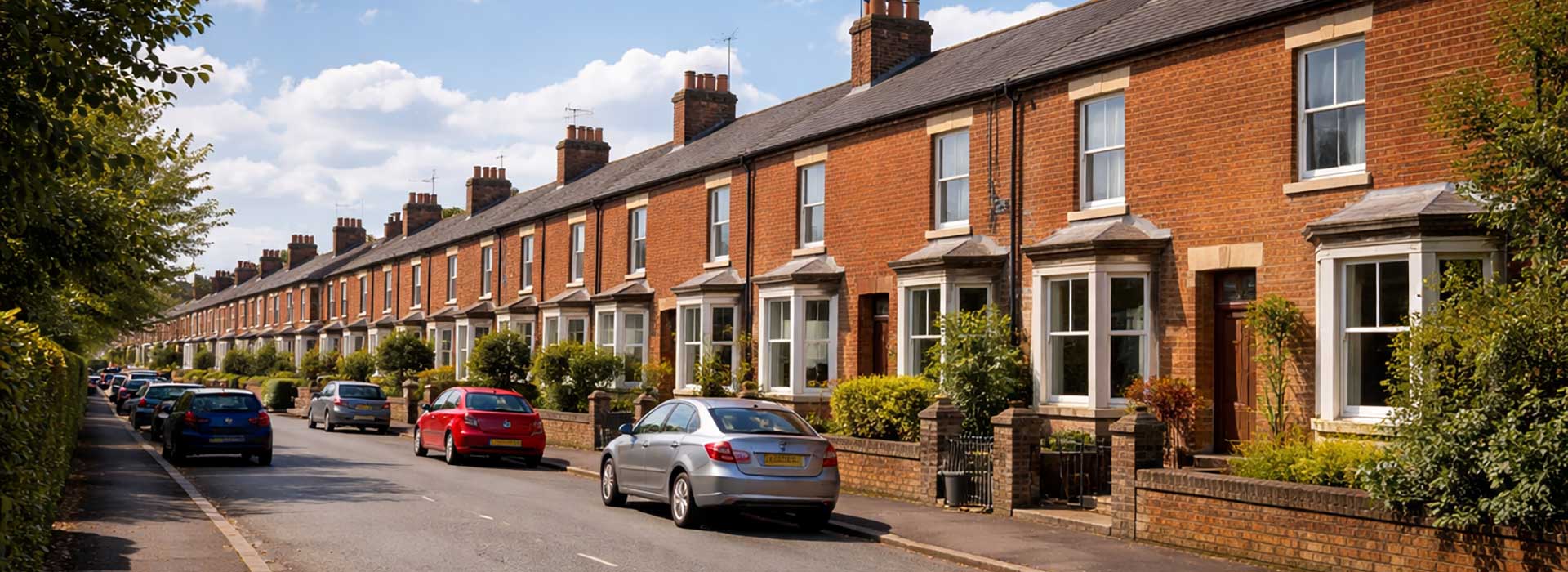
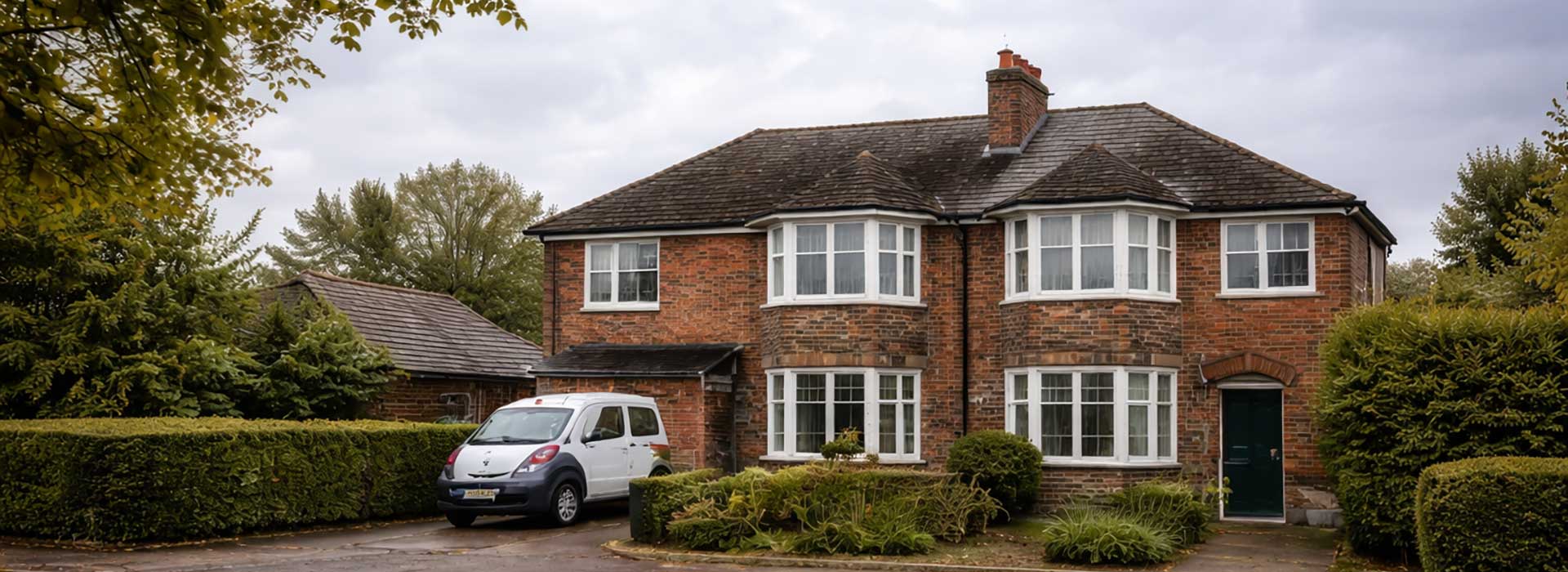
Home insurance isn’t one thing, even if it’s sold that way
Home insurance is often spoken about as a single product. It isn’t. What people call “home insurance” is usually a bundle of separate protections, stitched together in different ways depending on the property, the contents, and how the home is used.
That’s where confusion creeps in. Policies can look similar on the surface while doing very different jobs underneath.
Buildings insurance and what it actually relates to
Buildings insurance is about the structure of the property. The parts you wouldn’t take with you if you turned the house upside down. Walls, roof, floors, permanent fixtures, and outbuildings usually sit here.
It’s normally required by mortgage lenders, but even without a mortgage, it’s the part that deals with serious damage from fire, flood, storm, or subsidence.
Contents insurance and where the line is drawn
Contents insurance covers belongings inside the home. Furniture, clothing, appliances, and personal items.
The tricky bit is where fixtures blur into contents. Carpets are usually contents. Built-in kitchen units usually aren’t. Policies don’t always explain this clearly, which is why claims sometimes surprise people.
Combined buildings and contents policies
Many insurers offer buildings and contents together as a single policy. It’s often cheaper and simpler than buying them separately.
That convenience can hide detail. The buildings and contents sections still operate independently, with their own limits, exclusions, and excesses.
Contents-only and buildings-only policies
Not everyone needs both. Tenants usually need contents insurance only. Leaseholders sometimes arrange contents while buildings insurance is provided by a freeholder.
Homeowners without contents of significant value sometimes choose buildings-only cover. It depends on exposure, not habit.
Accidental damage as a separate element
Accidental damage is often treated as an optional extension rather than standard protection. It covers mishaps like spills, breakages, and unintentional damage.
Some policies include it automatically. Others restrict it to specific sections or charge extra. The difference matters when something goes wrong through everyday use rather than disaster.
Specialist home insurance types
Some properties don’t fit neatly into standard policies. Insurers often deal with these under specialist arrangements rather than different names.
- Listed or period properties
- Non-standard construction homes
- High-value homes with bespoke rebuild costs
- Properties left unoccupied for long periods
- Homes used partly for business purposes
These aren’t different in principle, but the underwriting approach changes.
Landlord and tenant-focused variations
Landlord insurance is usually a variation of buildings insurance, sometimes with landlord contents included. It’s designed around rental risk rather than owner occupation.
Tenant insurance focuses entirely on contents and personal liability. It doesn’t protect the structure at all.
Optional extras that look like separate policies
Some protections feel like their own insurance but are usually bolt-ons.
- Legal expenses
- Home emergency cover
- Personal possessions outside the home
- Garden or outbuilding extensions
They’re often sold as part of a package, but they operate under their own rules.
Why the labels matter less than the detail
The name on the policy isn’t what decides whether something is covered. The section wording does.
Two policies both described as “combined home insurance” can respond very differently to the same claim. That difference usually sits in limits, exclusions, and definitions rather than the headline type.
Choosing the right type starts with the property
The starting point isn’t what’s cheapest or most common. It’s how the home is owned, used, and occupied.
Once those basics are clear, the right mix of buildings, contents, and extensions tends to follow naturally, without forcing everything into a single, catch-all label.